Becoming a grandparent brings profound joy alongside unexpected challenges that can reshape one’s entire sense of self. While society often portrays this transition as purely celebratory, the reality involves complex emotions and identity shifts that many new grandparents struggle to navigate alone.

The key to thriving as a grandparent lies in embracing this new role while maintaining personal boundaries and individual well-being. This balance requires understanding that grandparent identity reflects overlapping experiences of both parenting and grandparenting, creating opportunities for growth rather than loss of self.
Modern grandparents face unique challenges in defining their role within evolving family structures. They must learn to offer wisdom and support while allowing new parents to navigate their own course, creating meaningful connections without overstepping boundaries or sacrificing their own identity in the process.
Key Takeaways
- Grandparenthood involves complex emotional transitions that require acknowledging both joy and challenging feelings as normal parts of the experience
- Successful grandparenting means balancing supportive involvement with respect for parental autonomy and personal boundaries
- Creating meaningful relationships with grandchildren happens through consistent presence and shared experiences while maintaining individual well-being
Navigating the Transition to Grandparenthood

The shift from parent to grandparent involves significant psychological adjustments, emotional responses that range from joy to unexpected grief, and the challenge of aligning expectations with new realities. These changes affect relationships, personal identity, and family dynamics in ways that often catch new grandparents unprepared.
Understanding the Identity Shift
Becoming a grandparent represents a developmental stage that fundamentally alters how individuals view themselves and their role within the family structure. This transition involves more than simply gaining a new title.
The grandparent identity emerges through three key changes:
- Role expansion: Moving from direct authority to supportive presence
- Generational repositioning: Becoming the senior generation in the family hierarchy
- Purpose redefinition: Finding new ways to contribute meaning and value
Research shows that grandparenthood may change self-perceptions by promoting a sense of authority, meaning, and purpose. New grandparents often experience a shift in how they relate to their adult children.
The parent-child dynamic transforms into a more complex relationship where boundaries must be renegotiated. Some grandparents struggle with reduced control over family decisions.
They may feel displaced from their former central role while simultaneously feeling responsible for maintaining family connections and traditions.
Emotional Responses in Early Grandparenting
New grandparents experience a complex mix of emotions that can feel overwhelming or confusing. Joy and excitement often coexist with unexpected feelings of loss, anxiety, or disconnection.
Common emotional responses include:
| Positive Emotions | Challenging Emotions |
|---|---|
| Deep love and connection | Grief for past relationships |
| Sense of legacy continuation | Anxiety about boundaries |
| Pride in family growth | Fear of being excluded |
| Renewed life purpose | Confusion about role limits |
Many grandparents feel surprised by the intensity of their emotional reactions. The love for a grandchild can feel different from parental love—often described as pure joy without the daily responsibilities and worries.
Unspoken grief can create tension in relationships as grandparents mourn the end of their exclusive relationship with their adult child. This grief is normal but rarely acknowledged openly.
Some grandparents experience anxiety about their age, health, or ability to be present for important moments. Others worry about financial implications or changes to their retirement plans.
Processing Expectations and Realities
The gap between anticipated grandparenthood and actual experience often creates disappointment or confusion for new grandparents. Expectations formed from cultural messages, personal childhood memories, or observations of other families may not match their reality.
Common expectation misalignments include:
- Frequency of contact with grandchildren
- Level of involvement in childcare decisions
- Geographic proximity to family
- Relationship dynamics with adult children
- Financial expectations and contributions
Modern grandparenting roles have evolved significantly from traditional models. Today’s grandparents may find themselves navigating technology, different parenting philosophies, and changing family structures.
Some grandparents expect to have the same level of input they had when raising their own children. This expectation often conflicts with their adult children’s desire for independence and different approaches to parenting.
Processing these realities requires honest self-reflection and open communication. New grandparents benefit from examining their assumptions and discussing roles and boundaries with their adult children before conflicts arise.
The adjustment period varies significantly among individuals. Some adapt quickly while others need months or years to fully embrace their new identity and find their place within the evolved family structure.
Defining the Modern Grandparent Role
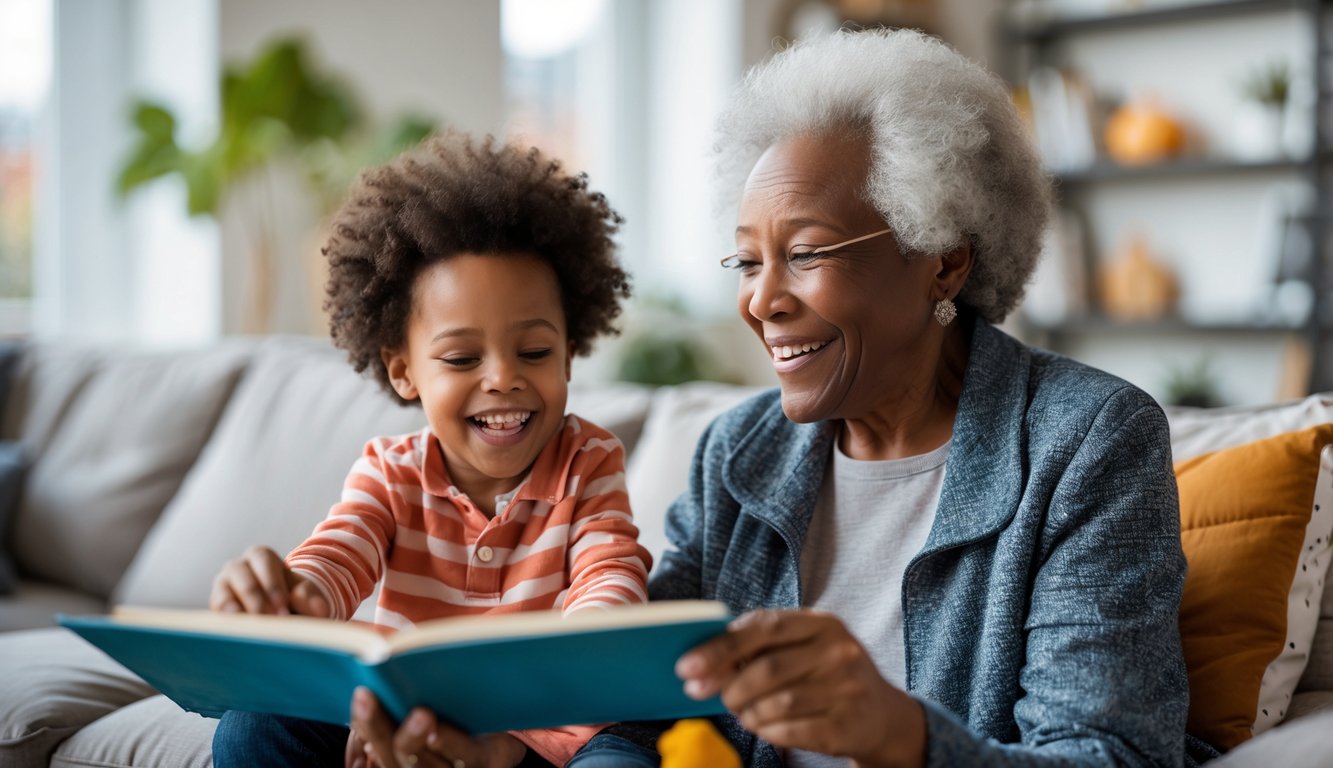
Today’s grandparents navigate a complex landscape where traditional caregiving roles have evolved into more involved partnerships in child-rearing. The key lies in establishing clear boundaries while maintaining meaningful connections that respect both generational differences and contemporary family structures.
Traditional Versus Contemporary Roles
The grandparent role has shifted dramatically from passive observers to active participants in family life. Modern grandparents are no longer confined to the sidelines but serve as mentors, confidants, and support systems for both children and parents.
Traditional grandparenting typically involved:
- Occasional visits and holiday gatherings
- Gift-giving and spoiling privileges
- Limited involvement in daily decisions
- Clear hierarchical boundaries
Contemporary grandparenting encompasses:
- Regular childcare assistance
- Educational support and homework help
- Technology-mediated communication
- Collaborative parenting approaches
Many grandparents now balance careers alongside their grandparenting duties. They attend school events, participate in extracurricular activities, and maintain consistent digital communication with grandchildren.
This evolution reflects changing family dynamics where dual-career households rely heavily on grandparent support. The challenge becomes defining involvement levels that strengthen family bonds without overstepping parental authority.
Building a Purposeful Grandparenting Approach
Creating a meaningful grandparent identity requires intentional planning and clear purpose. Successful grandparents identify their unique contributions to family dynamics while respecting their own limitations and interests.
Core elements of purposeful grandparenting include:
| Approach | Description | Benefits |
|---|---|---|
| Skill Sharing | Teaching hobbies, crafts, or life skills | Creates lasting memories and practical knowledge |
| Wisdom Transfer | Sharing family history and life lessons | Builds cultural identity and emotional intelligence |
| Emotional Support | Providing consistent love and guidance | Strengthens family bonds and child development |
| Practical Help | Childcare, transportation, meal preparation | Reduces parental stress and creates quality time |
Grandparents should assess their physical capabilities, time availability, and personal interests when defining their role. Some excel at creative activities like art projects or cooking.
Others provide academic support or serve as emotional anchors during difficult periods. The most effective approach involves regular communication with adult children about expectations and preferences.
This prevents conflicts and ensures everyone understands their responsibilities within the family structure.
Communicating Boundaries and Expectations
Clear communication prevents misunderstandings and maintains healthy relationships across generations. Balancing independence and involvement requires ongoing dialogue about roles, responsibilities, and limitations.
Essential conversations should address:
- Childcare availability and scheduling
- Discipline approaches and house rules
- Financial contributions and gift-giving policies
- Emergency procedures and medical decisions
Grandparents must articulate their own needs and limitations honestly. This includes physical constraints, work schedules, travel plans, and personal boundaries around parenting decisions.
Effective boundary-setting strategies:
- Schedule regular family meetings
- Document agreements about recurring responsibilities
- Establish clear protocols for last-minute requests
- Create backup plans for emergencies
Flexibility remains crucial as family circumstances change. Children grow, parents’ needs evolve, and grandparents’ capabilities shift over time.
Regular check-ins ensure arrangements continue serving everyone’s best interests. The goal involves creating sustainable relationships that honor both generational wisdom and contemporary parenting approaches.
Balancing Personal Well-Being and Family Involvement

Grandparents who maintain their individual interests while staying connected to family report higher life satisfaction and stronger relationships with their grandchildren. The key lies in setting boundaries that protect personal time while remaining emotionally available for meaningful family moments.
Protecting Your Time and Identity
Establishing clear boundaries prevents grandparent burnout and maintains healthy family dynamics. Grandparents should avoid making their lives completely revolve around grandchildren to preserve their individual identity and reduce pressure on adult children.
Effective time protection strategies include:
- Setting specific availability hours for babysitting or visits
- Communicating limits clearly with adult children about frequency and duration of involvement
- Scheduling personal time first before committing to family activities
- Learning to say no to requests that conflict with personal well-being
The centrality of the grandparent role does not determine psychological well-being. Research shows that making grandparenting the most important role does not necessarily improve mental health outcomes. This finding supports the importance of maintaining multiple meaningful roles and interests.
Grandparents who protect their time often find they enjoy family interactions more fully. Quality engagement becomes more valuable than constant availability.
Nurturing Your Own Interests and Relationships
Maintaining non-family relationships and activities significantly impacts overall well-being and provides emotional support outside the grandparent role. Spousal relationships remain the primary priority even after grandchildren arrive, requiring continued attention and investment after decades of marriage.
Essential areas for personal development include:
| Relationship Type | Maintenance Strategy |
|---|---|
| Marriage/Partnership | Regular date nights, shared interests, open communication |
| Friendships | Social activities, mutual support, shared experiences |
| Community Connections | Volunteer work, religious involvement, hobby groups |
Professional pursuits and hobbies provide purpose beyond family connections. Many grandparents find fulfillment in part-time employment, volunteer work, or new creative outlets.
These activities model healthy aging for grandchildren while maintaining cognitive engagement. Social connections with other grandparents offer valuable support networks.
Sharing experiences, challenges, and strategies with peers creates understanding that family members may not provide. These relationships reduce isolation and normalize the grandparenting experience.
Recognizing the Importance of Self-Care
Physical and mental health maintenance directly affects the ability to engage meaningfully with grandchildren over time.
Self-care priorities for grandparents include:
- Regular medical checkups and preventive healthcare
- Physical activity appropriate for age and ability level
- Stress management through relaxation techniques or counseling
- Adequate sleep and proper nutrition
Emotional self-care involves processing the complex feelings that arise during major life transitions.
Becoming a grandparent triggers identity shifts that require time and reflection.
Some grandparents benefit from professional counseling to navigate changing family dynamics or personal challenges.
Financial planning supports long-term well-being and reduces stress about future security.
Grandparents must balance generous giving to family with protecting their own retirement needs.
Clear financial boundaries prevent resentment and ensure sustainable support over time.
Regular self-assessment helps identify when personal needs require more attention.
Warning signs include chronic fatigue, increased irritability, or feeling overwhelmed by family demands.
Fostering Meaningful Grandparent–Grandchild Relationships
Building strong connections requires intentional effort in three key areas.
Developing emotional intimacy through genuine interaction, establishing shared traditions that create lasting memories, and actively supporting children’s growth during critical developmental stages are essential.
Creating Emotional Closeness
Emotional closeness develops through consistent, authentic interactions that demonstrate genuine interest in grandchildren’s lives.
Grandparents who actively listen during conversations and ask thoughtful questions about school, friendships, and interests create space for deeper connections to form.
Physical presence matters significantly in building these bonds.
Regular visits, phone calls, or video chats help maintain connection even when distance separates family members.
Meaningful grandparent-grandchild relationships often feature grandparents who remember important details about their grandchildren’s activities and follow up on previous conversations.
Key strategies for emotional closeness include:
- Sharing age-appropriate personal stories and experiences
- Asking specific questions about grandchildren’s interests
- Creating one-on-one time without distractions
- Expressing genuine pride in grandchildren’s achievements
- Being emotionally available during difficult moments
Trust builds when grandparents maintain confidentiality about conversations and respect grandchildren’s developing independence.
This foundation supports relationships that remain strong as children mature into adults.
Building Family Traditions
Sharing family stories and history provides grandchildren with a sense of heritage and belonging that strengthens their identity within the family structure.
These traditions create predictable moments of connection that grandchildren anticipate and value.
Successful traditions often involve activities that grandparents and grandchildren can enjoy together regardless of age differences.
Cooking family recipes, celebrating holidays in specific ways, or taking annual trips creates shared experiences that become meaningful memories.
Effective tradition-building approaches:
| Activity Type | Examples | Benefits |
|---|---|---|
| Seasonal rituals | Holiday baking, garden planting | Creates anticipation and routine |
| Skill sharing | Teaching crafts, music, or hobbies | Transfers knowledge and builds competence |
| Story sessions | Photo albums, family history | Connects children to their heritage |
New traditions can emerge naturally from shared interests or circumstances.
The key lies in consistency and creating experiences that both generations find engaging and meaningful over time.
Supporting Emotional Development
Grandparents occupy a unique position in supporting grandchildren’s emotional growth without the primary responsibility of daily discipline.
This role allows for patient guidance and unconditional support during challenging developmental phases.
Strong intergenerational relationships promote well-being by providing children with additional sources of wisdom, perspective, and emotional security.
Grandparents can offer different viewpoints on problems and serve as trusted confidants when children need someone outside the parent-child dynamic.
Supportive practices include:
- Validating grandchildren’s feelings without immediately offering solutions
- Teaching coping strategies through modeling calm responses
- Providing encouragement during setbacks or failures
- Celebrating character development alongside academic achievements
The grandparent–grandchild relationship benefits from clear boundaries that respect parents’ authority while creating space for independent connections.
When grandparents support rather than undermine parental decisions, children experience greater emotional security and stability across their family relationships.
Managing Complex Family Dynamics and Boundaries
Successful grandparenting requires balancing respect for parental decisions with meaningful involvement in grandchildren’s lives.
Establishing clear boundaries prevents conflicts while maintaining family harmony through deliberate communication strategies.
Respecting Parental Authority
Grandparents must recognize that parents hold primary decision-making authority over their children’s upbringing.
This includes respecting choices about discipline, education, healthcare, and daily routines even when personal opinions differ.
Key Areas Requiring Respect:
- Parenting styles and discipline methods
- Educational decisions and extracurricular activities
- Medical and health-related choices
- Religious or cultural practices
- Screen time and technology rules
When disagreements arise, grandparents should express concerns privately with parents rather than contradicting decisions in front of grandchildren.
Navigating complex family dynamics requires patience and strategic communication to maintain relationships.
Offering opinions works best when framed as suggestions rather than directives.
Phrases like “Have you considered…” or “In my experience…” allow parents to maintain authority while benefiting from grandparental wisdom.
Cultivating Open Communication
Effective communication forms the foundation of healthy grandparent relationships.
Regular, honest conversations about expectations, concerns, and boundaries prevent misunderstandings before they escalate into conflicts.
Communication Strategies:
| Approach | Example |
|---|---|
| Use “I” statements | “I feel concerned when…” instead of “You always…” |
| Ask permission | “Would it be okay if I…” |
| Express appreciation | “Thank you for including me in…” |
| Seek clarification | “Help me understand your perspective on…” |
Grandparents should initiate conversations about their role expectations early and revisit these discussions as circumstances change.
Setting healthy boundaries while keeping the peace requires ongoing dialogue rather than one-time conversations.
Active listening proves essential during these discussions.
Grandparents must hear parents’ concerns without becoming defensive and acknowledge different generational perspectives on child-rearing.
Navigating Intergenerational Challenges
Different generations often hold contrasting values regarding technology, education, independence, and family priorities.
These differences can create tension if not addressed thoughtfully.
Common generational conflicts include screen time limits, academic pressure, independence levels, and social media exposure.
Grandparents may feel children are too restricted or too permissive compared to their own parenting experiences.
Bridging Generational Gaps:
- Acknowledge that parenting approaches evolve with new research
- Share personal experiences without insisting on replication
- Learn about current challenges parents face
- Focus on shared values like safety and happiness
Managing challenging grandparent styles effectively involves recognizing when traditional approaches may not suit modern circumstances.
Flexibility allows grandparents to maintain meaningful relationships while respecting contemporary family dynamics.
Successful navigation requires grandparents to view themselves as supportive team members rather than competing authorities.
This perspective shift transforms potential conflicts into collaborative problem-solving opportunities.
Long-Term Impact of Grandparenting on Identity and Life Satisfaction
The transition into grandparenthood creates lasting changes in personal identity and overall well-being that extend far beyond the initial excitement of meeting a new grandchild.
Research demonstrates that grandparenting and age identity are interconnected, while the quality of intergenerational relationships shapes satisfaction levels for decades.
Reflecting on the Evolving Grandparent Identity
Grandparent identity develops through multiple phases that reshape how individuals view themselves and their place in the family structure.
The initial transition often brings a sense of renewed purpose and generative fulfillment that influences personal self-concept.
Early Identity Formation
- Role definition and boundary setting
- Integration with existing identities
- Adjustment to family hierarchy changes
The grandparent identity continues evolving as grandchildren grow and family dynamics shift.
Many grandparents report feeling more confident in their role after the first few years, developing distinct grandparenting styles that reflect their values and personality.
Long-term Identity Integration
Studies show that grandparents who maintain active involvement often experience stronger identity integration.
This process involves balancing their grandparent role with other life identities without losing core aspects of themselves.
The most satisfied grandparents typically develop what researchers call “selective investment”—choosing meaningful ways to engage that align with their capabilities and interests rather than trying to fulfill every possible grandparent stereotype.
Influence on Well-Being Across Generations
Becoming a grandparent affects well-being through multiple pathways that influence both the grandparent and extended family members.
Research indicates that positive grandparent–grandchild relationships correlate with increased life satisfaction for both generations.
Grandparent Well-being Outcomes
- Enhanced sense of meaning and purpose
- Increased social connection and family bonds
- Opportunities for emotional fulfillment and legacy building
The long-term effects of grandparenting on development extend beyond immediate family members.
Grandchildren who maintain close relationships with grandparents often show higher resilience and emotional stability in adulthood.
Factors Influencing Positive Outcomes
Quality relationships require consistent effort and mutual respect.
Grandparent relationship quality in early adulthood depends significantly on the foundation established during childhood years.
Geographic proximity, communication frequency, and shared activities all contribute to relationship strength.
Grandparents who adapt their involvement style as grandchildren mature tend to maintain closer bonds and experience sustained well-being benefits throughout the relationship.
Frequently Asked Questions
Becoming a grandparent brings unique challenges around identity preservation, boundary setting, and relationship building.
These common concerns address practical strategies for maintaining personal autonomy while embracing this new family role.
How can one navigate the transition to grandparenthood while maintaining a sense of individuality?
The transition to grandparenthood requires intentional preservation of pre-existing interests and relationships.
New grandparents should continue pursuing hobbies, career goals, and social connections that existed before grandchildren arrived.
This means scheduling regular time for personal activities and treating them as non-negotiable appointments.
Setting clear expectations with adult children helps prevent role confusion.
Grandparents can specify their availability for childcare, establish preferred communication methods, and clarify what level of involvement feels comfortable.
Some grandparents choose specific days for babysitting while keeping others free for personal pursuits.
Maintaining friendships outside the family circle provides essential perspective and identity reinforcement.
Regular social activities with peers who share similar interests help grandparents remember who they were before this role began.
Professional counselors often recommend joining clubs, taking classes, or volunteering in areas of personal passion.
What are the psychological impacts of becoming a grandparent on personal identity?
Grandparenthood typically triggers a significant identity shift that can feel both rewarding and disorienting.
Many new grandparents experience what psychologists call “generative fulfillment”—a sense of contributing to future generations that enhances life satisfaction.
This positive impact often increases feelings of purpose and legacy creation.
However, some individuals struggle with the aging implications of grandparenthood.
The role can force confrontation with mortality and changing social status.
Research indicates that people who strongly identified with youthful self-concepts may experience temporary depression or anxiety during this transition.
Identity integration becomes crucial for psychological well-being.
Successful grandparents learn to incorporate this new role without abandoning previous aspects of themselves.
They view grandparenthood as an addition to their identity rather than a replacement of it.
In what ways can grandparents effectively balance their own interests with family obligations?
Effective balance requires establishing clear priorities and communicating them consistently.
Grandparents should identify which personal activities provide the most fulfillment and protect time for these pursuits.
This might mean declining some family requests in favor of maintaining personal commitments.
Creating structured involvement helps manage expectations on both sides.
Some grandparents designate specific days for childcare while keeping weekends free for travel or hobbies.
Others establish seasonal patterns, such as increased availability during school breaks but reduced involvement during personally important times.
Financial boundaries prove equally important as time boundaries.
Grandparents should determine comfortable spending limits for grandchildren and stick to these parameters.
Open discussions with adult children about financial contributions prevent resentment and overextension.
Are there specific strategies to strengthen the bond between grandparents and grandchildren?
Creating consistent one-on-one time builds stronger individual relationships than group activities alone. This might involve regular outings, special traditions, or shared hobbies that align with each grandchild’s interests.
Meaningful conversations through thoughtful questions help grandparents understand their grandchildren’s perspectives and experiences. Sharing personal stories and family history creates deeper connections across generations.
Grandparents can tell age-appropriate stories about their own childhood or explain family traditions. These narratives help grandchildren understand their place in the family timeline.
Technology offers modern bonding opportunities for grandparents who embrace it. Video calls, shared online games, or collaborative digital photo albums maintain connections when physical distance exists.
Some grandparents learn new technologies specifically to communicate with grandchildren on familiar platforms.
What role does culture play in shaping the grandparent-grandchild relationship?
Cultural expectations significantly influence grandparent responsibilities and relationship dynamics. Some cultures emphasize grandparents as primary wisdom keepers and disciplinary figures, while others position them as indulgent supporters who avoid conflict.
Understanding these cultural frameworks helps grandparents navigate their appropriate role within family systems. Immigration and cultural assimilation create unique challenges for grandparent identity.
Grandparents from immigrant families often serve as cultural bridge-builders, teaching traditional customs while helping grandchildren navigate modern society. This dual role provides valuable intergenerational continuity.
Religious and spiritual traditions offer structured ways for grandparents to share meaningful experiences with grandchildren. Whether through formal religious education, holiday celebrations, or spiritual discussions, these shared practices create lasting bonds while transmitting important values.
How can grandparents set healthy boundaries with their adult children and grandchildren?
Clear communication about availability prevents misunderstandings and resentment. Grandparents should explicitly state their childcare limitations, preferred notice periods for requests, and any activities they prefer to avoid.
Written agreements sometimes help families remember these boundaries during stressful periods.
Financial boundaries require particularly direct conversations. Grandparents should specify their comfort level with gift-giving, educational contributions, and emergency assistance.
These discussions prevent adult children from making assumptions about financial support and protect grandparents from overextending themselves.
Discipline and parenting style differences need respectful navigation. Grandparents should discuss household rules with parents beforehand and agree on consistent approaches.
When disagreements arise, private conversations with adult children work better than public confrontations that confuse grandchildren.
Leave a Reply